Boston is a city that takes accessibility seriously, at least on paper. It has rolling cobblestone streets that have been rerouted, subway stations retrofitted with elevators, and a civic culture that openly champions inclusion. When planning a trip to Boston for my family, that included multiple wheelchair users, every indicator pointed to one of the most thoughtfully accessible cities in the United States. We were cautiously optimistic. We did everything right. And we still hit walls, sometimes literally.
This isn’t a story about a failed trip. Boston is genuinely wonderful, and we would go back in a heartbeat. This is a story about the gap between intention and execution, the invisible distance between a supplier saying “Absolutely, we can accommodate you” and what actually happens when your group arrives at the curb. It is also a story about why having a travel advisor with real training and real experience in accessible travel, can make an enormous difference, not just in what gets planned, but in how much weight you don’t have to carry alone.
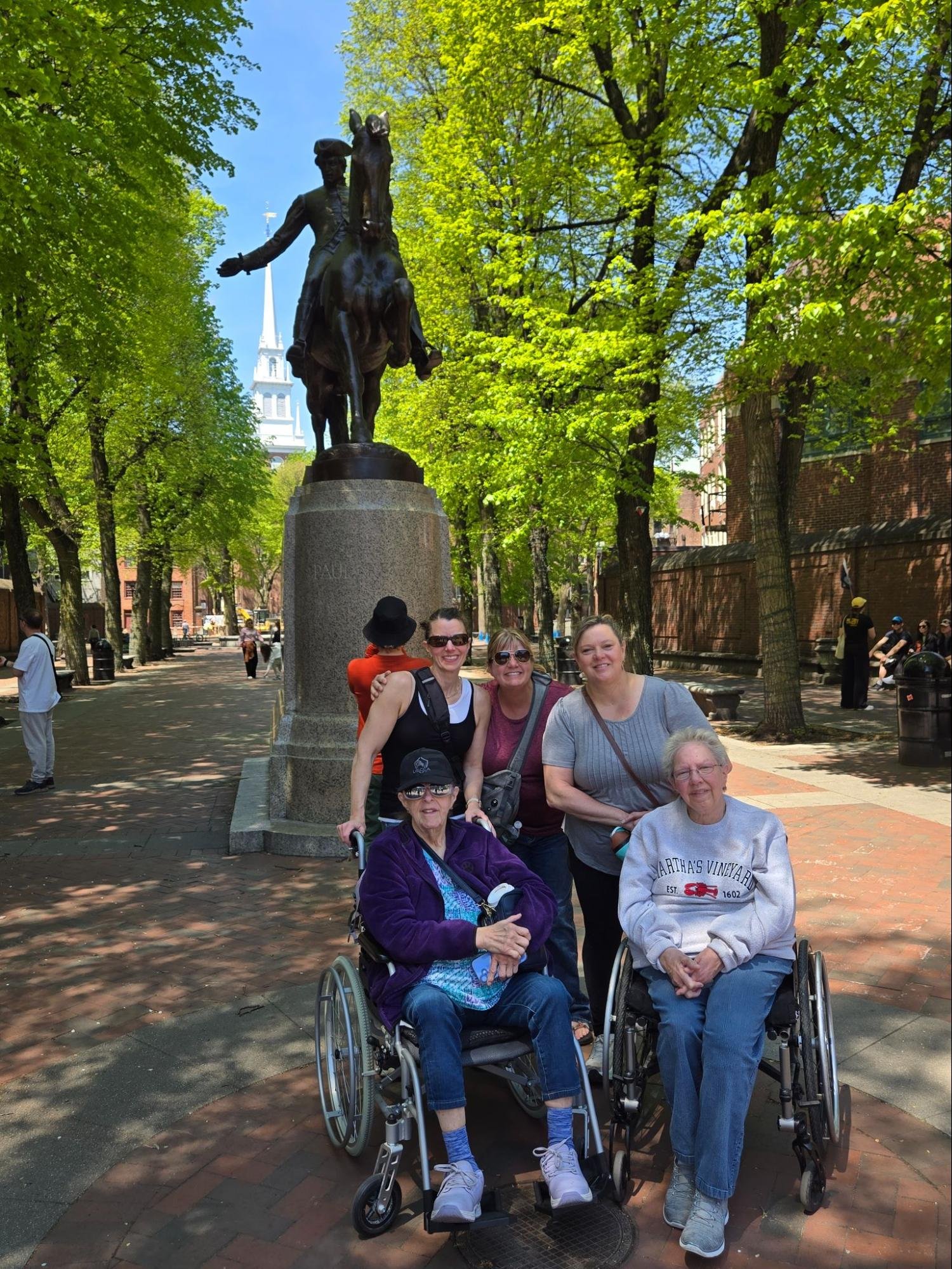
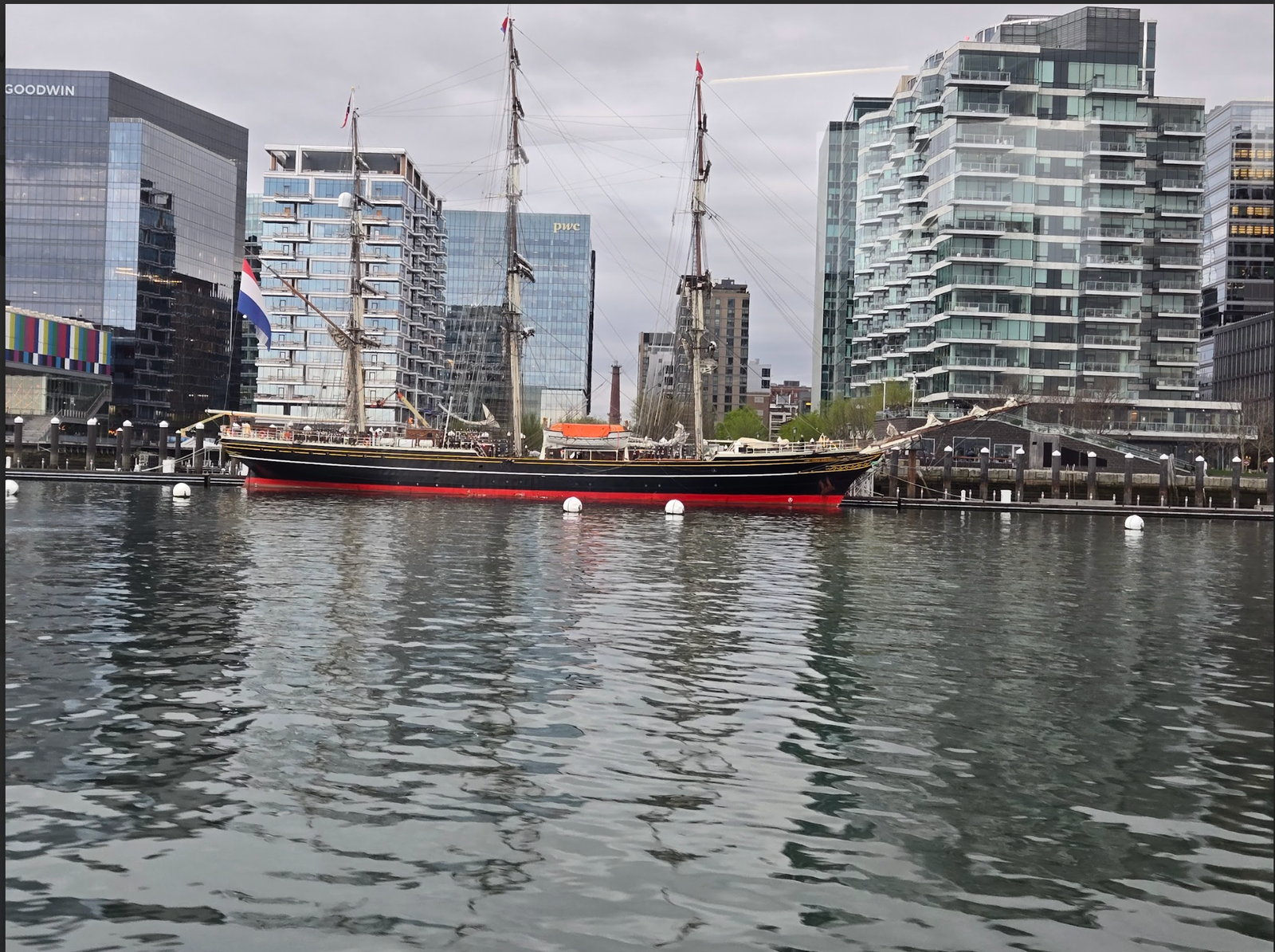
Preparing for accessible travel is not a one-call job. Anyone who tells you otherwise hasn’t done it. For this trip, every single supplier, hotels, tour operators, transportation companies, attractions, was contacted multiple times before departure. Not because we doubted them the first time, but because experience has taught us that accessibility is one of those things that can fall through the cracks between a booking agent and an operations team.
This is exactly where a travel advisor with accessible travel training earns their place. The average traveler, even a highly organized, highly motivated one, may not know which questions to ask, which red flags to listen for, or how to push back when a supplier’s answer doesn’t quite add up. An experienced advisor has made these calls before. They know when “yes, we’re fully accessible” is a genuine answer and when it’s a well-meaning guess. They know to ask not just whether a lift exists, but whether it was tested last week. That knowledge is something no amount of personal research fully replaces.
By the time we boarded for Boston, we felt as prepared as it is possible to be.
“Preparation is my job. Execution is theirs. The problem is that ‘ours’ and ‘theirs’ don’t always speak the same language.”
What We Found When We Arrived
Boston delivered in many ways. The accessible rooms were genuinely accessible. Several attractions had done extraordinary work to ensure inclusive entry. Staff at a number of stops were warm, prepared, and clearly briefed. These moments matter and deserve to be acknowledged. I want to especially recognize Hub Town Tours. We did the walking tour of the History of the Salem witch trials. They provided additional staff to assist with spotting curb cuts, and the most accessible routes, and they had clearly walked the tour with a wheelchair in mind prior to our arrival.
However, we also found:
Several ramps we encountered were well outside ADA compliance standards dangerously steep grades that required significant upper body strength or a second person to navigate safely. They exist on paper as “accessible.” In practice, they are hazardous. Marked as accessible on maps and in listings, these ramps create a false sense of security that can put wheelchair users in genuinely risky situations.
To someone who has never pushed a wheelchair up or down a ramp, there is nothing wrong with this picture. However, to those of us who have can immediately tell that this ramp is dangerous
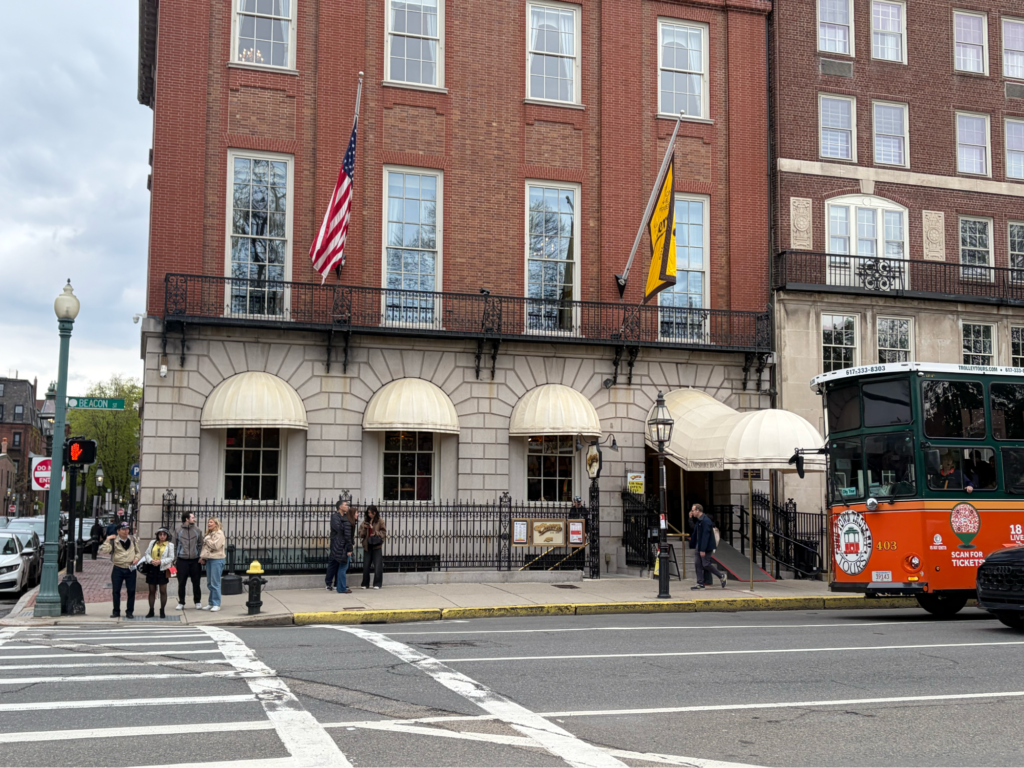
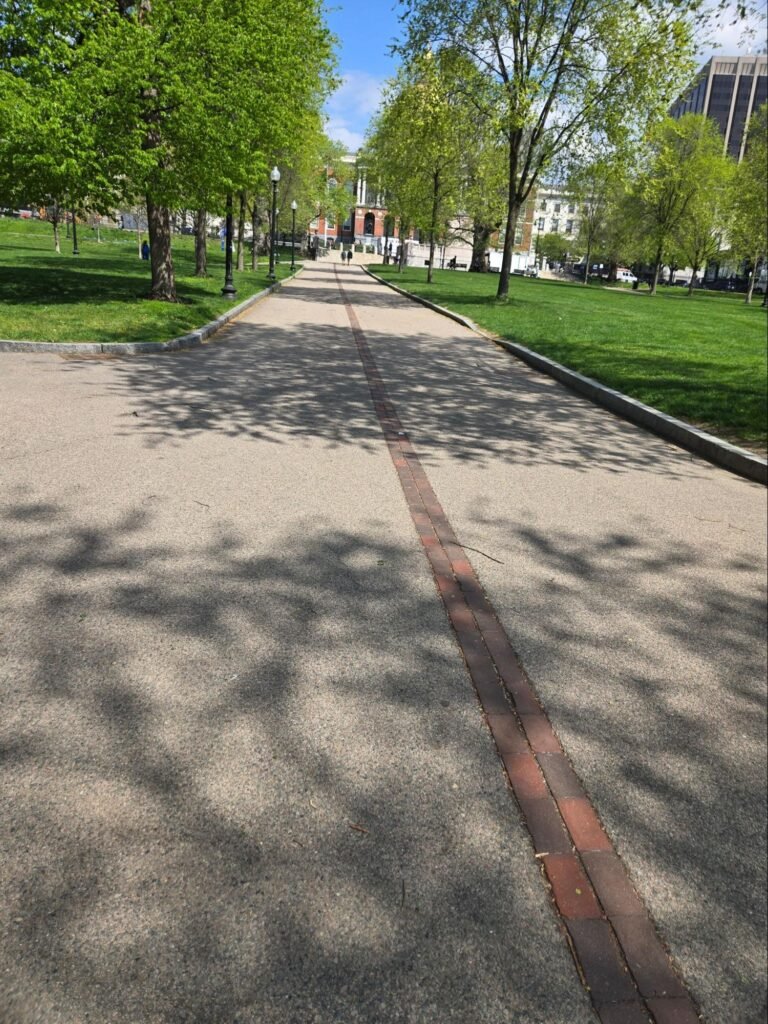
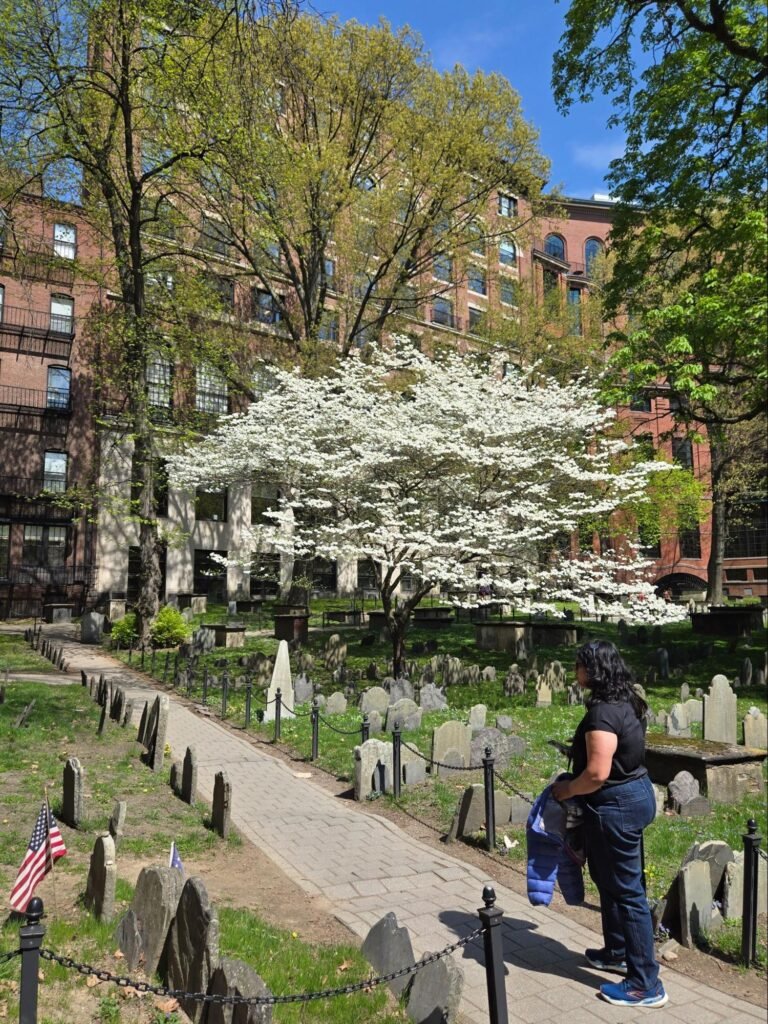
One of Boston’s most beloved green spaces had dozens of entry and exit points around its perimeter, and all but two of them featured steps. Finding those two accessible gates required significant additional walking, sometimes covering the full length of a city block or more in the wrong direction before backtracking. There was no clear signage directing wheelchair users to the correct entrances. You simply had to know, or walk until you found out.
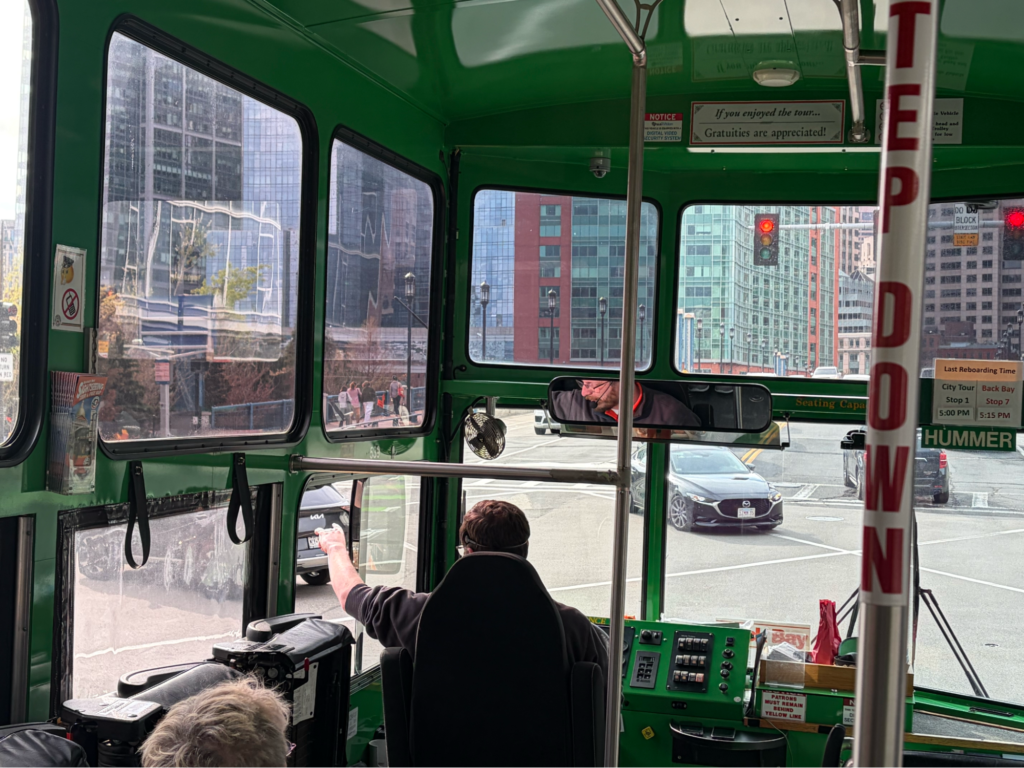
This was the hardest moment of the trip. A tour company, one that had been called multiple times, confirmed multiple times, and assured us multiple times that they could “absolutely” accommodate multiple wheelchair users, sent a bus ( they only have 2 buses in their fleet that have a lift) with a lift that had not been tested before departure. When the moment came to deploy it, it didn’t work. Family members sat on the bus while the rest of the passengers waited outside. The discomfort, the self-consciousness, the helplessness of that moment is not something anyone on a vacation should ever have to feel.
A replacement bus eventually arrived. The tour continued. But those minutes, sitting there, aware that everyone was waiting, aware that this moment had been entirely preventable, are not minutes anyone forgets.
This same company has a dedicated spot to secure a wheelchair for transport, but in this photo, you can see that it requires the seats to be flipped up against the wall/ window, preventing a wheelchair user from seeing out the window.
Time and again, accessible routes required extensive additional travel that wasn’t flagged anywhere in advance. A ramped exit that appeared on a map might require walking past six steps-only exits first. An accessible restroom might be on a different floor with no visible elevator signage. These weren’t impossible situations, but they were exhausting ones, and exhaustion chips away at the joy of travel in ways that are hard to quantify.
None of this means you should stop preparing. It means you prepare with clear eyes about what preparation can and cannot guarantee. Here is the checklist I use and will use again:
PRE-TRIP ACCESSIBILITY PROTOCOL
✓ Called every supplier a minimum of twice, once at booking, once within 72 hours of travel, confirming accessibility for multiple wheelchair users specifically
✓ Asked specifically: “Has this equipment been tested recently?” for any mechanical accessibility aid (bus lifts, platform lifts, elevators)
✓ Used Google Earth and Street View to virtually walk every route, checking curb cuts, entrance grades, and pavement conditions
✓ Read accessibility-specific reviews from the past 12 months on TripAdvisor, Google, and dedicated disability travel forums
✓ Identified all accessible entrances and exits for every venue in advance, including backup options
! Understood that even with all of this, gaps will exist, and planned emotionally and logistically for that reality
This checklist represents hours of work, hours that a trained accessible travel advisor handles on your behalf, so you can focus on the excitement of the trip rather than the logistics. When something goes wrong despite all of it, having a professional in your corner also means having someone who can make calls, escalate issues, and advocate for your group in the moment rather than leaving you to navigate it alone.
This Is NOT on the traveler
Here is the thing that needs to be said clearly, and loudly, and without any softening.
When these things go wrong, it is not the traveler’s fault. It is not a failure of research. It is not insufficient preparation. It is a supplier issue.
A bus lift that has not been tested is not the traveler’s responsibility to anticipate. A ramp that exceeds ADA grade limits is not something a pre-trip Google Earth scan can detect. A park with 40 entrances and only 2 accessible ones, and no signage to find them, is a design failure, not a traveler failure.
And when you travel with an advisor who understands accessible travel, you also have someone who will say that out loud, follow up with suppliers after the fact, and make sure those failures are documented, because the next group deserves better too.
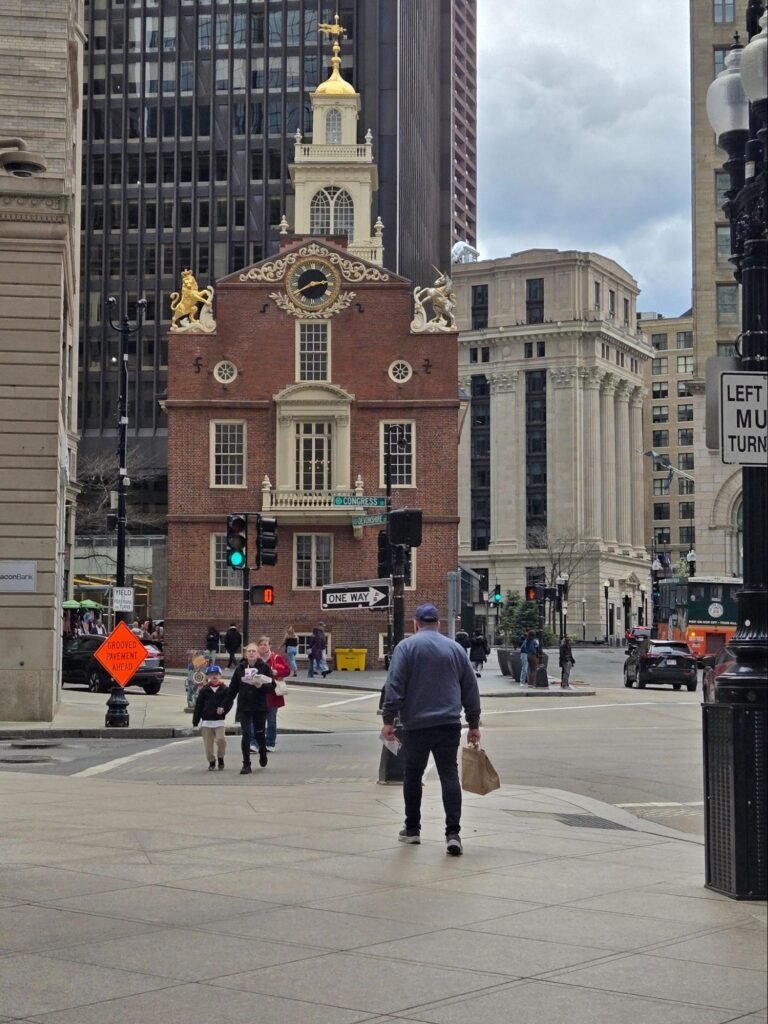
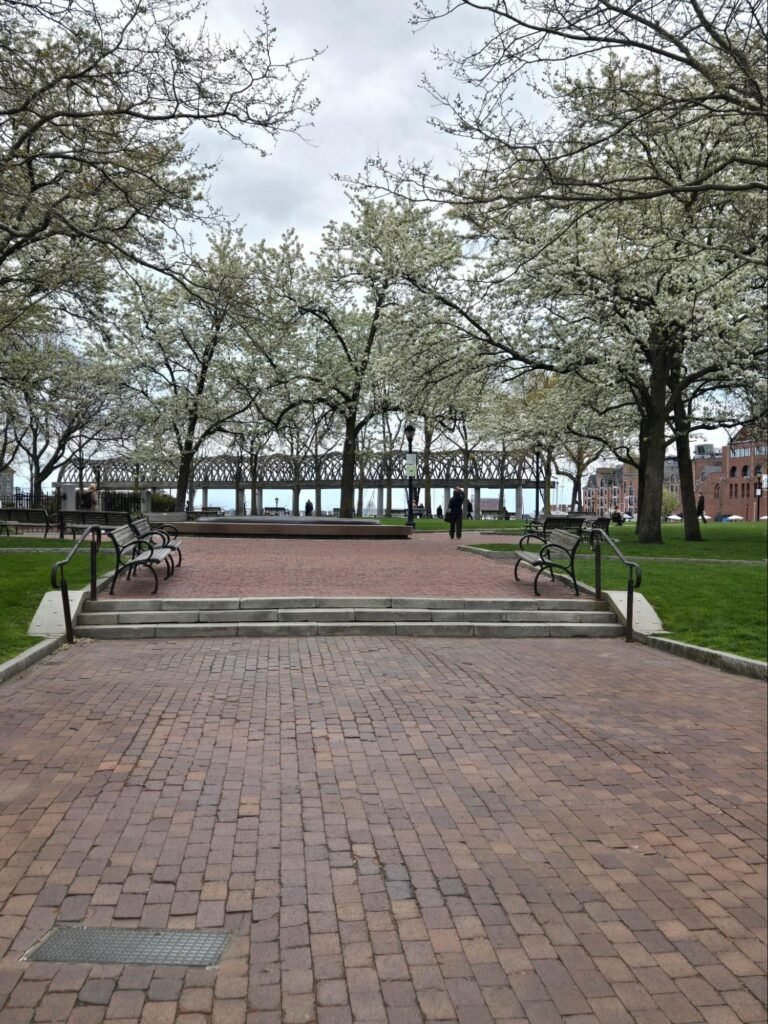
Every possible effort can be made to accommodate specific traveler needs. Every call can be made. Every route can be researched. Every confirmation can be requested in writing. And still, the rest of the world does not always understand the importance of these questions and the weight they carry.
Like any travel situation, be ready to adapt, be patient with the process, and be absolutely certain of one thing: when accessibility fails, it is a SUPPLIER ISSUE, not a traveler issue. The responsibility lives with the people who said yes without doing the work to back it up.
Boston is worth visiting. Accessible travel is worth doing. And the story of what goes wrong is worth telling, because telling it is how things eventually get better.
01 — BE FLEXIBLE
Plans will change on the ground. Have a backup for your backup. Know alternate routes, alternate entrances, and alternate itineraries before you need them.
02 — BE PATIENT
Not with failures that should have been prevented, but with the moment itself. The detour, the delay, the workaround. Give yourself grace and give your group time.
03 — KNOW YOUR WORTH
You are not an inconvenience. You are a traveler with specific needs that suppliers agreed to meet. When they don’t, advocate for yourself, without apology. And know that the right travel advisor will advocate right alongside you.
We left Boston with full hearts — and a full list of notes for the suppliers I will be following up with. The city offered us remarkable moments: a sunset over the harbor, a quiet morning on the Common, history that felt alive underfoot. We also left with a sharpened sense of how much work remains to be done, and how much better our industry needs to be at holding suppliers accountable before departure, not after.
Accessible travel deserves a specialist. Not just someone who books travel, but someone who understands the specific questions to ask, the details that matter, the suppliers worth trusting, and the ones to approach with caution. Someone who has done the research, walked the virtual routes, read the reviews, made the calls, and who will still be there when something goes sideways, ready to problem-solve and push back on your behalf. That is what a trained accessible travel advisor brings to the table, and it is not something that can be fully replicated by a search engine or a well-intentioned friend.
If you’re planning an accessible trip and want a travel advisor who will make every call, read every review, walk every virtual route, and still go to bat for you when things don’t go as promised, I am here for exactly that.
Boston is calling. I‘ll help you answer it, eyes wide open.