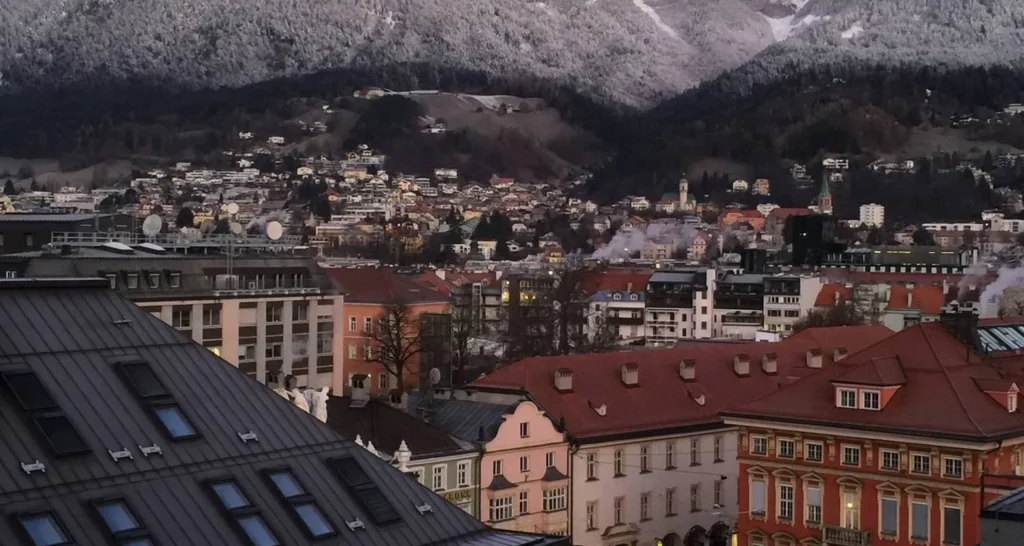
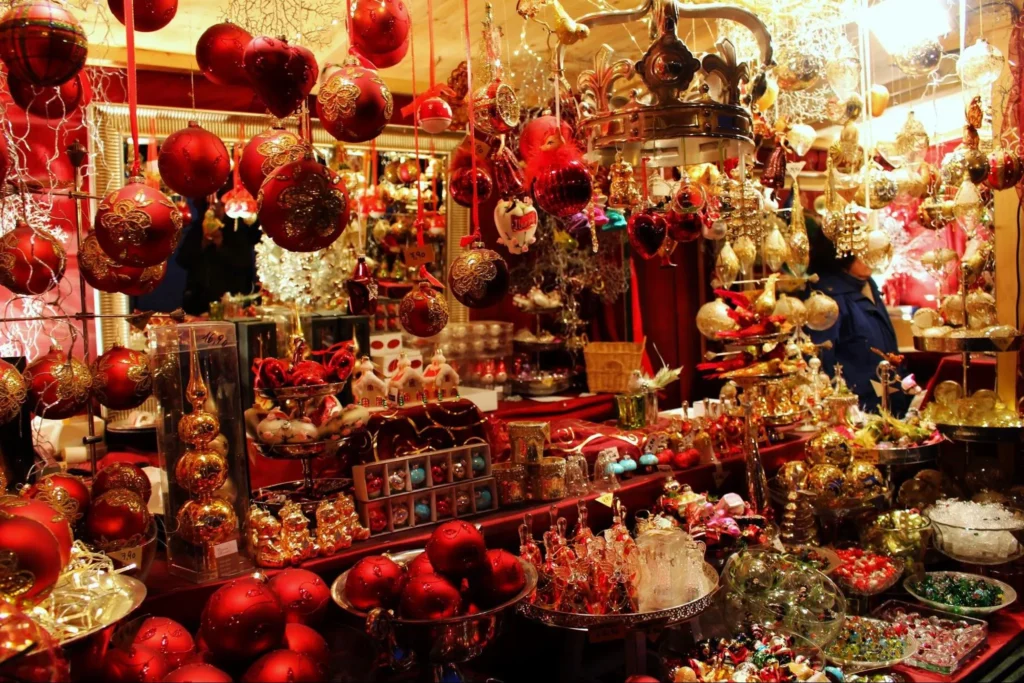
There is a moment that stops every first-time visitor to a European Christmas market. You step through a stone archway or into a cobblestone square, and the whole scene hits you at once. Warm light from hundreds of wooden stalls. The smell of roasted chestnuts and mulled wine drifting through the cold air. Children in puffy coats pointing at hand-painted ornaments. Church bells somewhere in the distance. It is the kind of moment that belongs on a postcard, except you are actually standing in it.
This is what Europe’s Christmas markets offer. They are not a theme park version of the holidays. They are the real thing, with roots going back 600 years in some cities, still alive in the same squares where they started. For travelers who have never experienced one, a European Christmas market trip is genuinely unlike anything else. For those who have been before, it is the kind of trip they keep coming back to.
In this guide, you will find out what makes these markets so special, which cities are worth the trip, what the experience looks like for families, couples, and solo travelers, and how I can help you plan every detail.
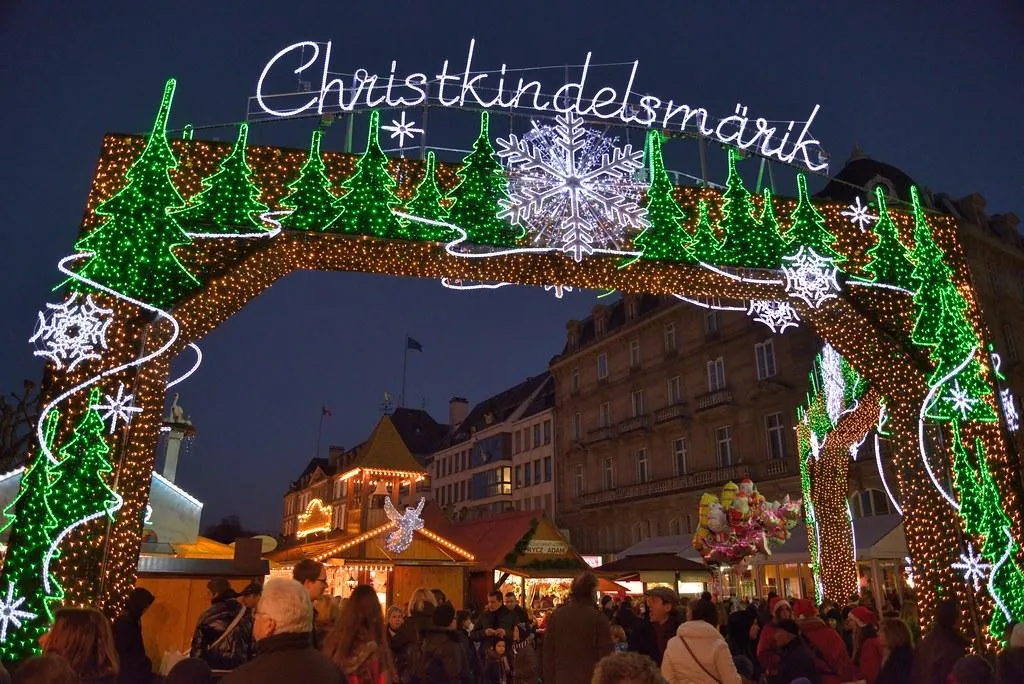
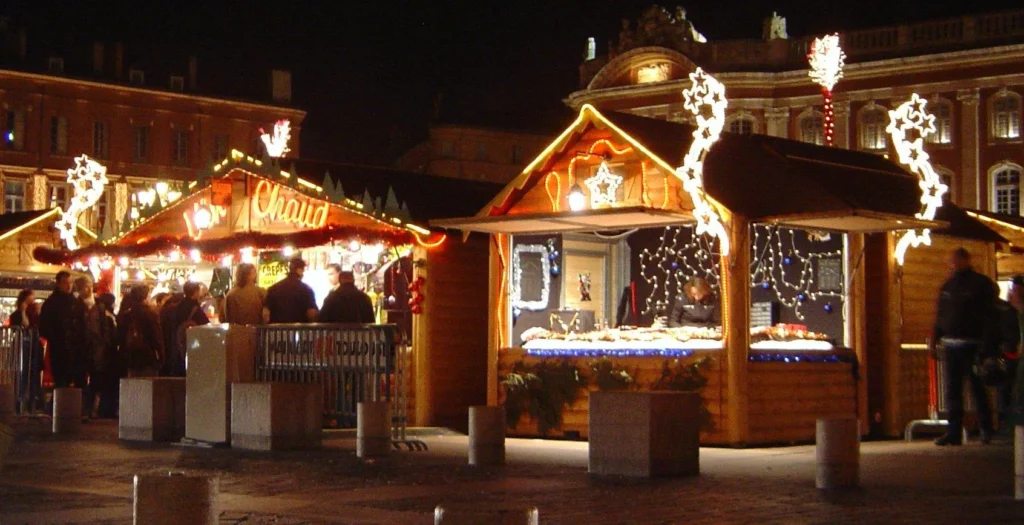
Christmas markets are outdoor markets held in city squares and historic districts from late November through December. Merchants set up rows of decorated wooden stalls selling handcrafted gifts, seasonal food, local specialties, and holiday decorations. Most markets also feature live music, nativity scenes, carousels, and activities for children. So while the shopping is part of the draw, it is far from the whole story.
The tradition started in Germany and Austria in the late Middle Ages. Today, markets stretch across Germany, Austria, the Czech Republic, Switzerland, France, and beyond. Each country, and even each city, brings its own character to the experience. Because the markets grew out of local customs rather than a single template, no two feel exactly alike.
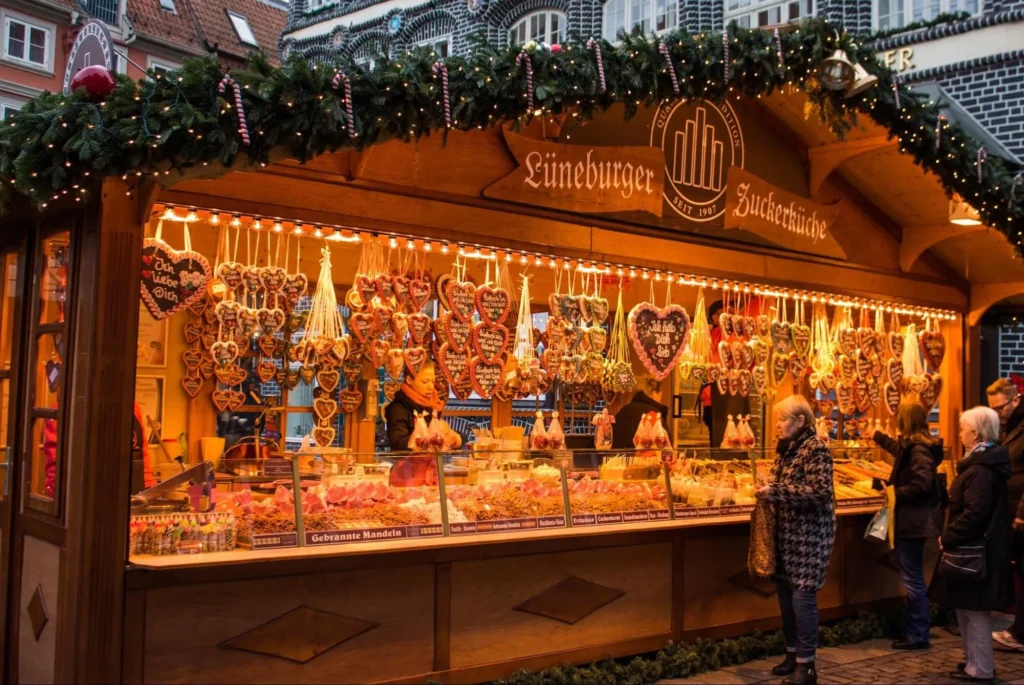
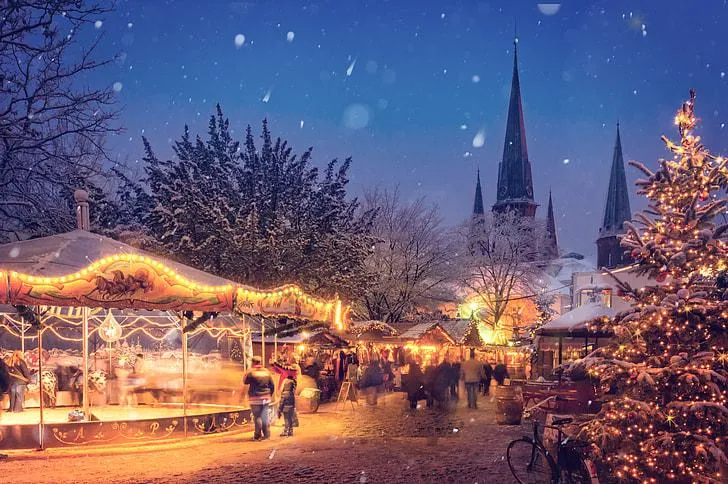
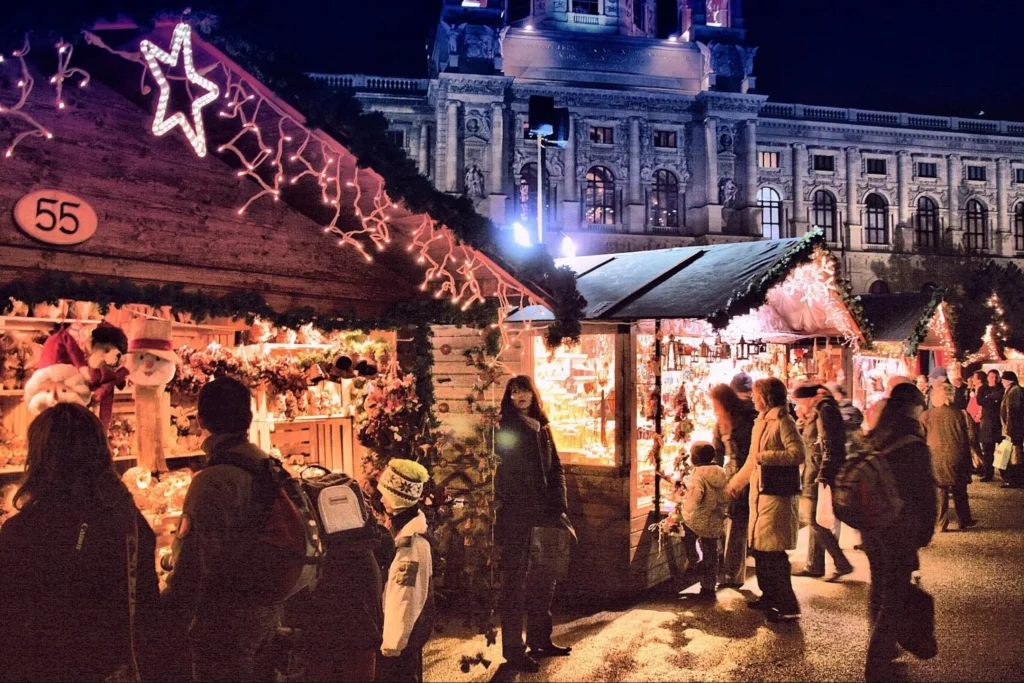
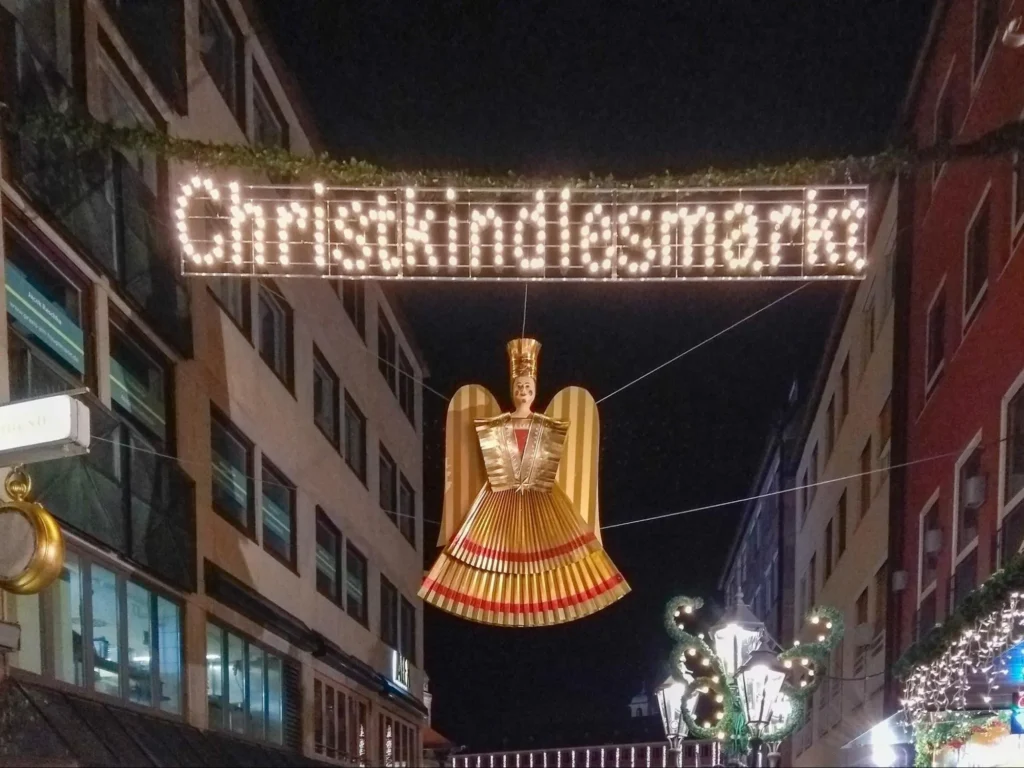
The short answer is that nothing else in holiday travel comes close. Part of what makes these markets so powerful is the setting. Vienna holds markets in front of the city’s grand baroque palaces. Prague’s market fills the medieval Old Town Square, with the Astronomical Clock ticking overhead. Nuremberg’s Christkindlesmarkt spills through a historic city center that has hosted the same market since 1628. That kind of history adds something no modern attraction can replicate.
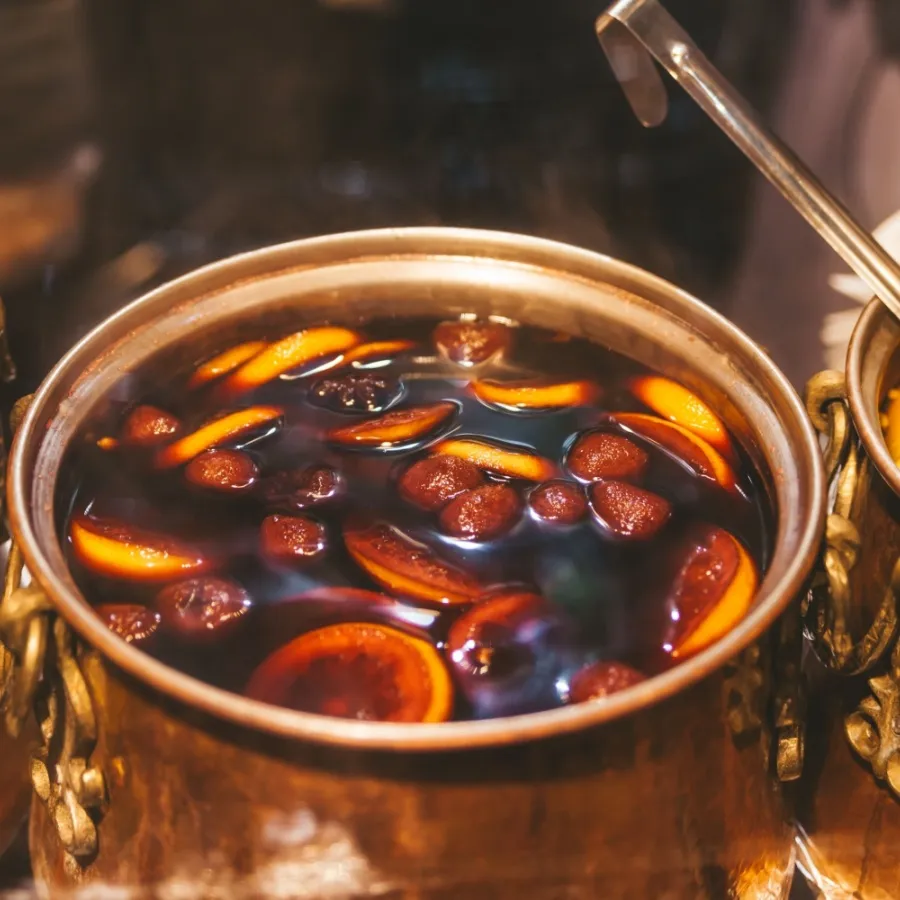
There is also the sensory experience. European Christmas markets are designed to be warm and welcoming, even when temperatures drop. Every stall glows with light. Vendors press cups of Glühwein (hot mulled wine) into cold hands. So the combination of beautiful architecture, fragrant food, and genuine holiday spirit creates something that feels almost cinematic. Travelers consistently describe these trips as among the most memorable of their lives.
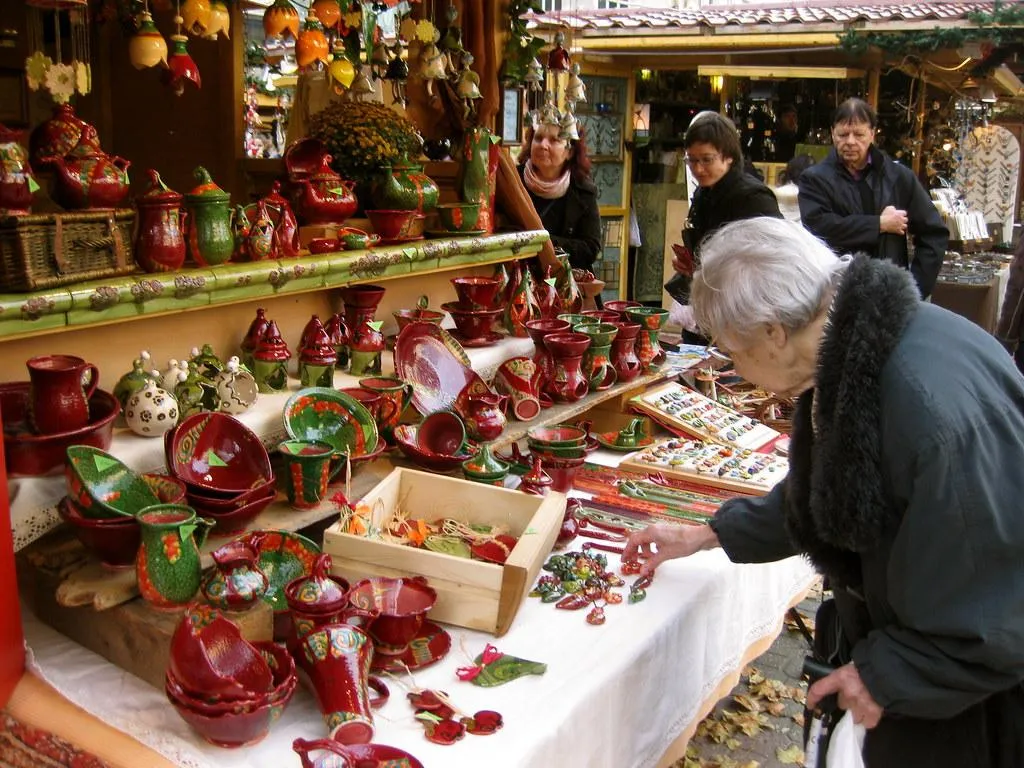
Beyond the atmosphere, the craftsmanship is worth noting. These are not mass-produced goods. Local artisans sell hand-blown glass ornaments, carved wooden figures, embroidered linens, and pottery made using traditional techniques. Therefore, the shopping itself becomes a way to connect with local culture in a meaningful way. Many travelers pick up one or two pieces each year and build a collection over time.
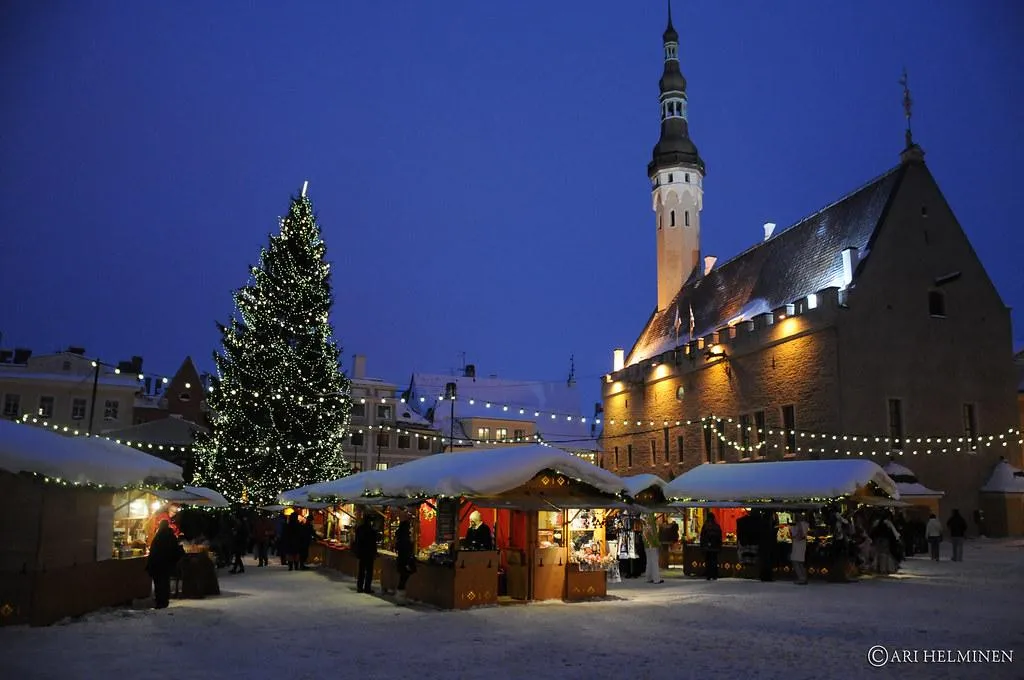
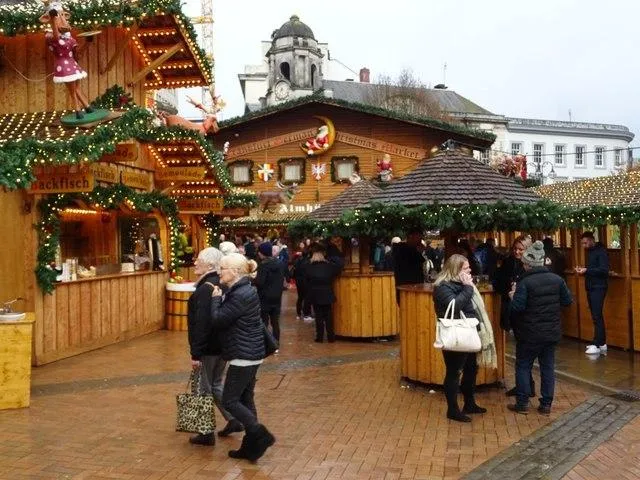
Not every Christmas market is the same, and the city you choose shapes the entire experience. Several cities stand out as must-visit destinations, and each offers something distinct.
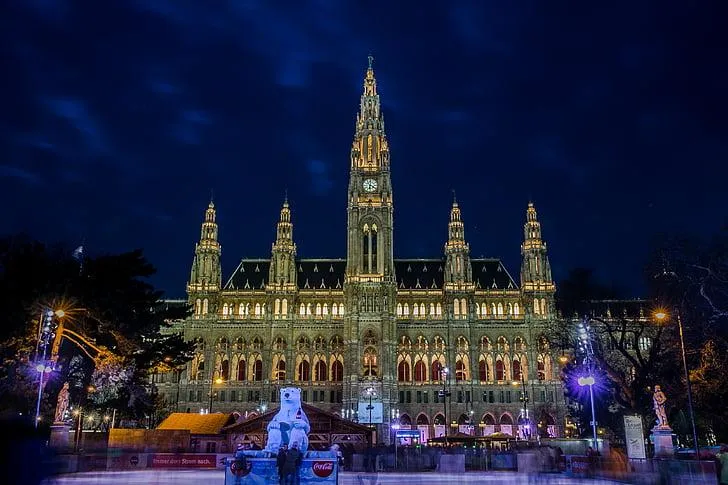
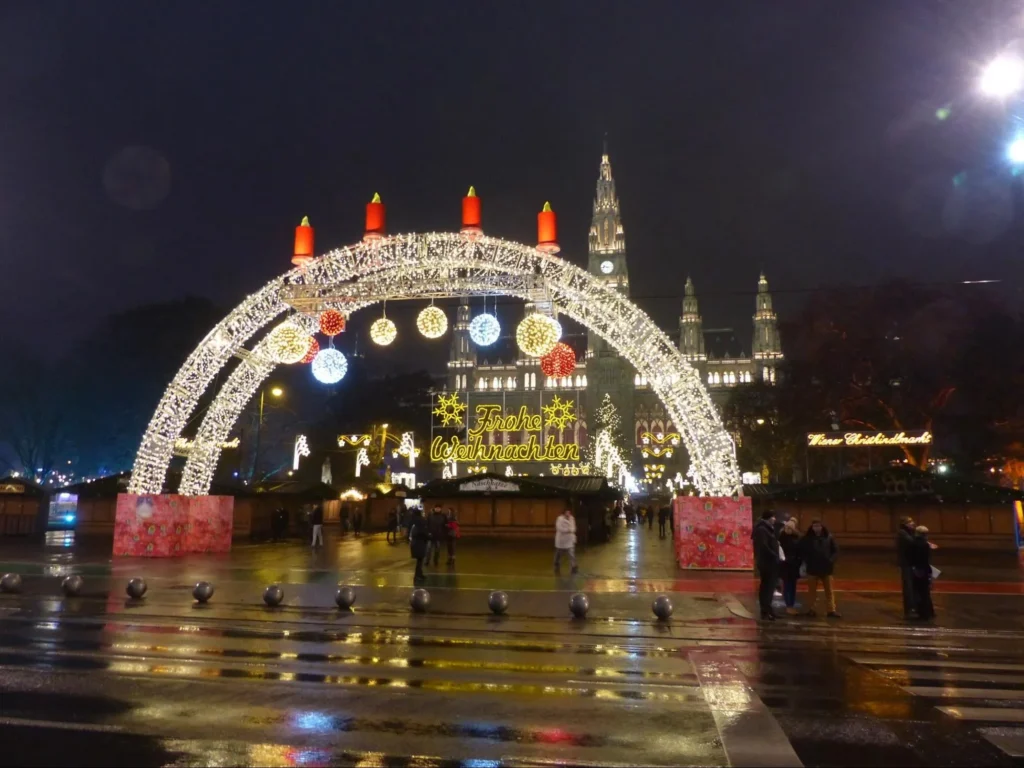
Vienna, Austria is one of Europe’s top Christmas market cities, and for good reason. Markets appear in front of the Rathaus, in the Schönbrunn Palace courtyard, and scattered throughout the city’s elegant squares. A guided small group tour through Vienna’s markets is a wonderful way to orient first-time visitors while sampling Austrian holiday treats like Punsch, roasted almonds, and Kipferl cookies.
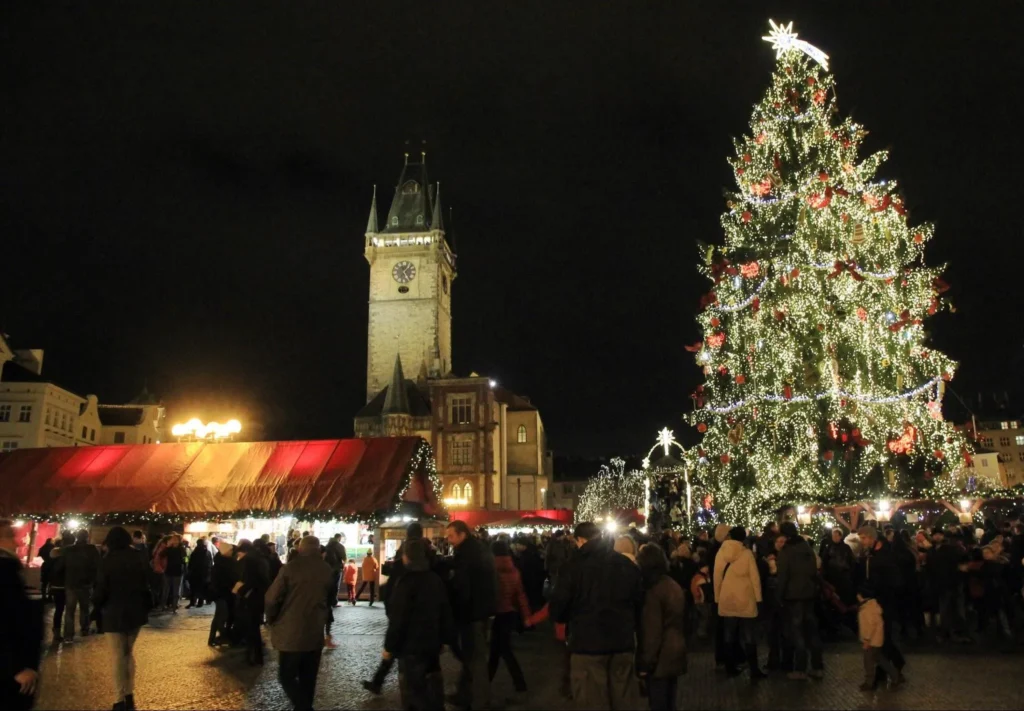
Prague, Czech Republic draws visitors with its dramatic medieval backdrop. The Old Town Square market is the main event, set beneath the Gothic towers of the Týn Church and beside the famous Astronomical Clock. A privately guided walk through Old Town connects the market to the city’s rich history, including Charles Bridge and the cobblestone streets of one of Europe’s best-preserved medieval cities. Four hours feels just right for taking it all in without rushing.

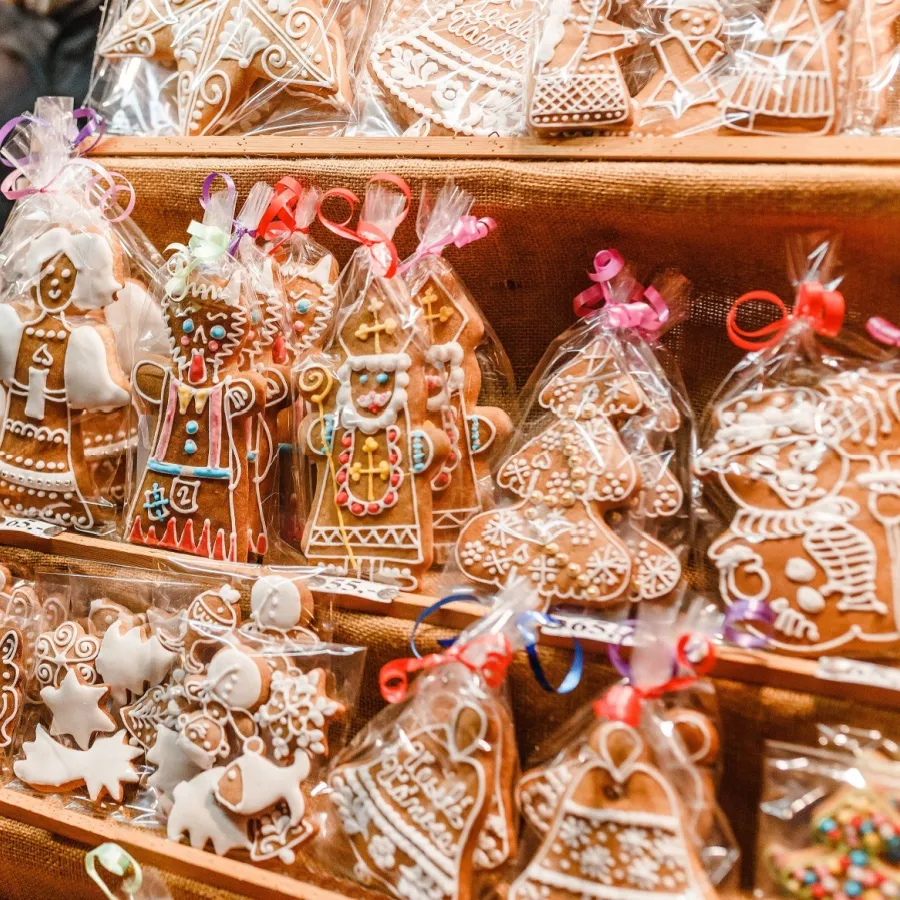
Nuremberg, Germany hosts the Christkindlesmarkt, arguably the most famous Christmas market in the world. It has been held continuously in Nuremberg’s main market square for nearly 400 years. The market opens each year with a ceremonial speech from the Christkind, a young woman chosen to play the role of the Christ Child. From there, the culinary traditions alone justify the trip. Nuremberg is famous for its tiny Lebkuchen (gingerbread), Bratwürste (finger-sized sausages), and Zwetschgenmännle (little figures made of dried prunes). A guided culinary walking tour through the market gives travelers a chance to taste these specialties while learning the stories behind them.

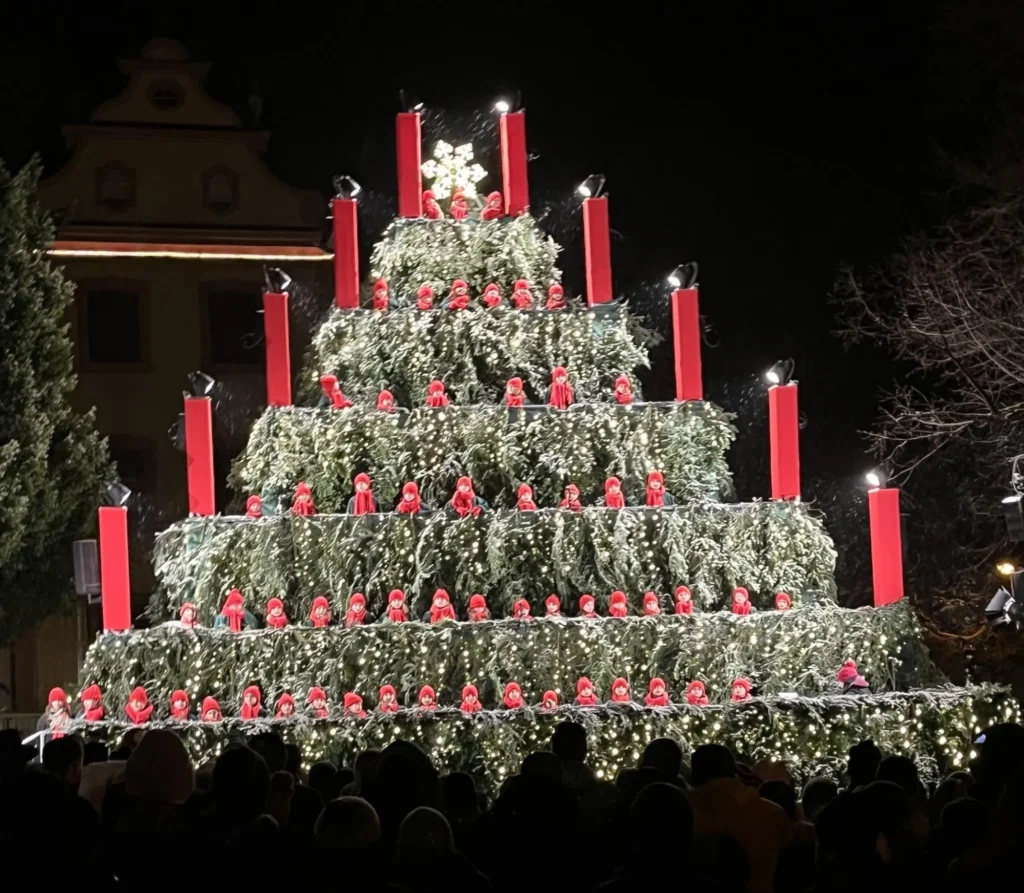
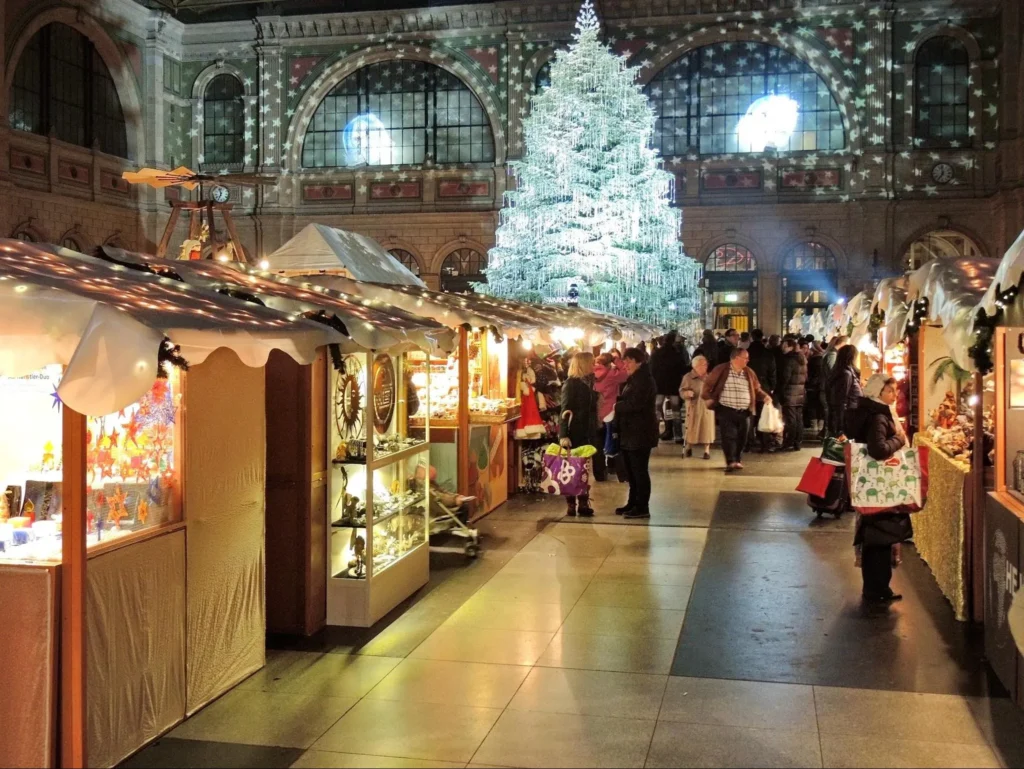
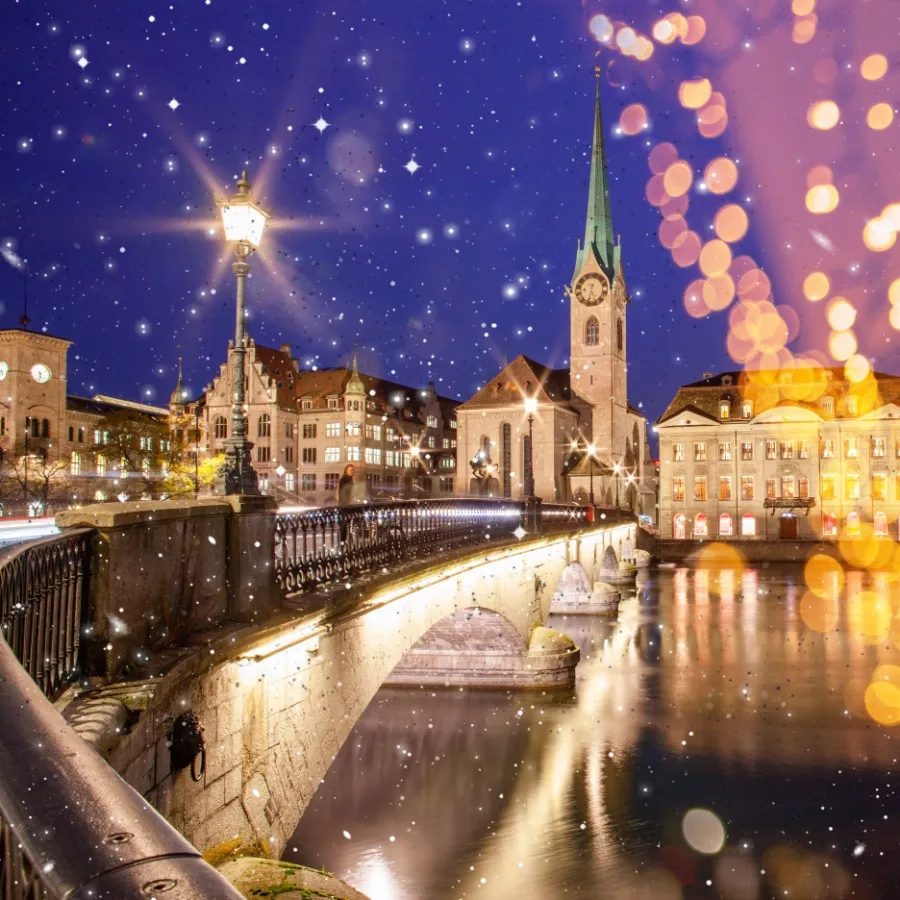
Zurich, Switzerland approaches the holidays with characteristic Swiss elegance. The city’s markets stretch along the famous Bahnhofstrasse shopping street and through the historic Old Town. One of the most beloved traditions is the Singing Christmas Tree, a choir stand built into the shape of a tree near the main train station. So a guided tour through Zurich’s markets offers not just shopping and food but also a window into Swiss holiday customs that feel genuinely distinctive.

Other cities worth serious consideration include Salzburg, Munich, Dresden, Basel, Montreux, and Lucerne. Each brings its own traditions and character to the season, so travelers with more time can easily build a multi-city itinerary that moves between markets and countries.
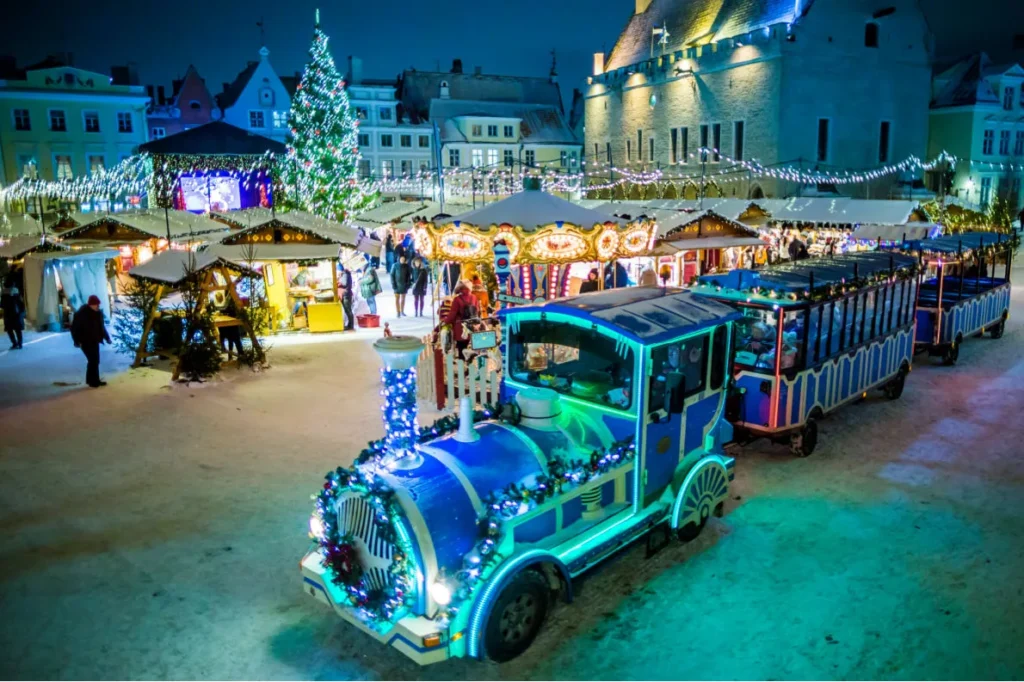
Here is something that surprises many parents: Christmas markets may be the most naturally kid-friendly international travel experience there is. Because the atmosphere is warm, the scale is walkable, and there is something happening at every turn, children tend to engage naturally. Most markets include rides, hot chocolate, sweet crepes, and activities designed specifically for kids.
Prague is particularly good for families. The Old Town is compact and pedestrian friendly. Children are captivated by the Astronomical Clock and its hourly procession of figures. Vienna’s markets include carousels and puppet shows alongside the adult-oriented stalls. So families do not have to carve out a special “kids’ activity” from an otherwise adult itinerary. The market itself is the activity.
For families, a private guided tour is usually the right call. A knowledgeable local guide can keep the pace manageable, explain things at a level children appreciate, and steer the group toward the stalls and experiences most likely to resonate. Because families have less patience for getting lost or wasting time on the wrong street, having that local expertise makes a real difference.

If you are looking for a trip that does not require a lot of effort to feel romantic, a European Christmas market tour is the answer. The setting does a lot of the work: candlelight, historic architecture, mulled wine, and a shared sense of being somewhere genuinely special.
Couples tend to have the most flexibility. They can move at their own pace, linger over a meal, or deviate from the plan when something catches their eye. Vienna is especially popular with couples because the city layers its holiday markets over one of Europe’s most beautiful urban environments. An evening visit to the Rathaus market, followed by dinner in one of Vienna’s historic Beisln (traditional restaurants), makes for a perfect night.
Nuremberg is another strong choice for couples who enjoy food and history. A private culinary tour through the Christkindlesmarkt lets two people move at an intimate pace while tasting their way through the market’s specialties. After the tour, Nuremberg’s old city is easy to explore on foot, with excellent restaurants close to the main square.
For couples celebrating an anniversary or a special occasion, consider building a multi-city itinerary. Moving from Vienna to Salzburg to Zurich over 10 days gives them a range of experiences, each city adding something different to the trip.
Ask anyone who has done a guided Christmas market tour solo, and they will tell you it was one of their best travel decisions. Because the experience is inherently social, with shared tables, communal mugs, and friendly vendors, it is easy to connect with people even when traveling alone. A small group guided tour adds structure and companionship without requiring anyone to coordinate with travel partners.
Small group tours of Vienna’s markets are particularly well suited to solo travelers. Groups are intentionally kept small, so the experience feels personal rather than like a bus excursion. A knowledgeable guide provides context that solo travelers would otherwise have to research on their own. So the combination of community and curation makes the small group format especially rewarding for those traveling without a companion.
Solo travelers also benefit from the guided format when it comes to safety and logistics. European cities at Christmas are busy, and navigating train connections between markets in different countries requires planning. Therefore, a guided itinerary removes that friction and lets solo travelers focus on the experience rather than the coordination.
A Christmas market trip sounds simple until you start planning one. This is exactly the kind of trip that benefits from working with a travel advisor. The logistics of a Christmas market itinerary are more involved than they might appear. Markets run on different schedules. Some of the best guided tours fill up weeks or months in advance. Train connections between cities require coordination. Hotels in the best locations near the markets sell out early in the season.
As your Sunshine Escapes advisor, I can put together a custom itinerary based on your travel dates, your interests, and who is coming with you. Whether you want three days in one city or a 10-day journey through four countries, I can match you with the right combination of guided experiences, hotels, and free time to explore on your own.
I work with tour operators who specialize in European Christmas market travel, including guided walking tours in Vienna, private Old Town experiences in Prague, culinary tours in Nuremberg, and custom itineraries across Germany, Austria, the Czech Republic, and Switzerland. So you will have access to experiences that go well beyond what you can book on your own.
Reach out anytime at sunshineescapestravel.us to start planning. The holiday season books fast, and the best experiences go early. Your perfect Christmas market trip is absolutely within reach.